CCTV & Cameras
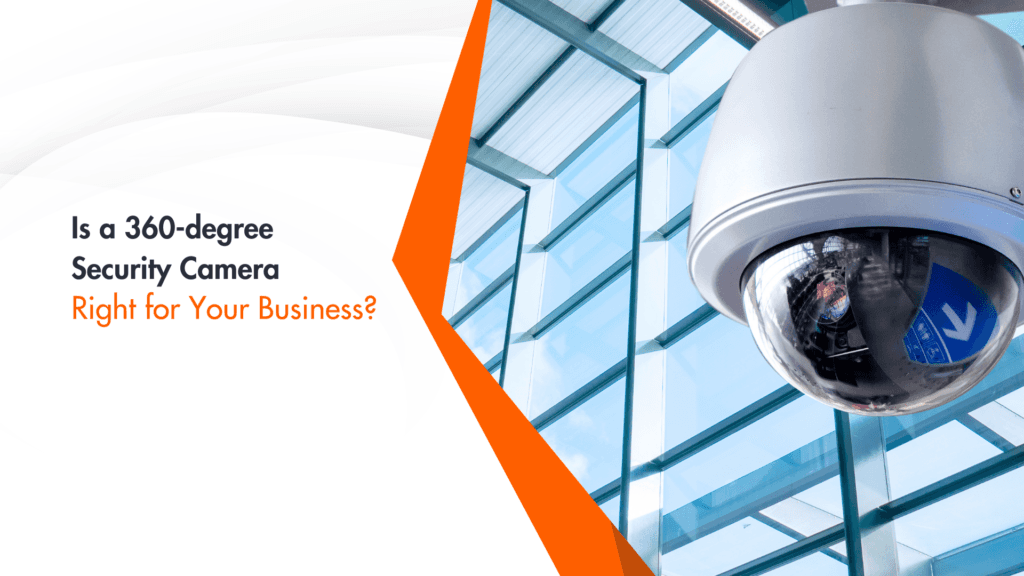
360-degree security cameras are a significant advancement in surveillance technology that offers comprehensive spatial coverage through sophisticated imaging sensors and distortion correction algorithms. Imagine having eyes everywhere in your business to eliminate blind spots and monitor every critical angle with a single device.
Retail environments seeking to prevent further financial losses and manufacturing facilities monitoring production floors may benefit from this. But what are the conditions?
Let’s dive deeper into the article.
About 360-degree Security Cameras
360-degree security cameras, also known as panoramic or fisheye cameras, offer a complete 360-degree field of view, as its name implies.
These cameras are useful for monitoring large areas without needing multiple cameras in place so that no activity, whether suspicious or not, goes unnoticed.
Types of 360-degree Security Cameras
There are two main categories of these cameras based on their lens configuration. They can be either single-lens or multi-lens.
Single-lens 360-degree cameras use a single fisheye lens with an extremely wide field of view (FoV) to capture the entire 360-degree scene in a single shot. The image is then processed and “dewarped” to create a panoramic/spherical view. You’ll find this type of technology used in many of Hikvision’s fisheye cameras.
Multi-lens 360-degree cameras, on the other hand, are cameras that use two or more lenses to capture overlapping images of the scene. These images are then stitched together to create a seamless 360-degree view.
Their Key Features
Here are the features of 360-degree security cameras that make them a better choice than other camera types.
Panoramic View - Aside from a 360-degree horizontal view, some can also capture a hemispherical view (that includes some of the ceiling or the floor).
Digital Pan-Tilt-Zoom (PTZ) - Operators can digitally pan, tilt, and zoom within the 360-degree image to focus on areas of interest after an event has occurred. This is like having multiple virtual cameras in one.
Video Analytics - They usually have built-in analytics to detect and analyse events. You won’t only benefit from motion detection but also intrusion detection and object classification.
Remote Monitoring - With these cameras, you can view live and recorded footage from the cameras on computers, smartphones, or tablets via a network connection. Through video management software (VMS) and mobiles, remote monitoring is made possible.
Several Trusted Brands Offering 360-degree Security Cameras
1. Axis Communications offers a range of panoramic cameras, like the AXIS P37 series, using multiple sensors. They either provide a 180-degree panoramic view or a 360-degree overview that can be extremely useful in retail stores, airports and train stations.

2. Avigilon, now part of Motorola Solutions, offers the Ava Quad camera. This AI-powered cloud video security camera combines four sensors to definitely deliver excellent image quality in places with challenging lighting. It is designed for use in critical infrastructure, such as airports and transportation hubs.

3. Hikvision also offers fisheye cameras that provide a 360-degree panoramic view. These cameras can be used in retail stores, warehouses, and parking lots.

4. i-PRO also has S-Series and U-Series dual-sensor cameras with a powerful edge AI chip that can be configured to provide a 360-degree view.

Benefits of 360-degree Security Cameras for Businesses
Because of their wide coverage, one would assume that they offer an extensive list of benefits. Here are the top reasons why one would opt for 360-degree security cameras.
They are ideal for monitoring crowded malls, busy restaurants, and bustling office floors.
They minimise vulnerabilities in areas with high foot traffic and the potential for theft or mischief.
They reduce the need to install multiple cameras.
They have a simplified infrastructure and no need for complex cabling and requirements.
Security personnel can monitor larger areas with less staff.
A construction site management can oversee work zones, ensure that workers are safe, and deter theft in the active construction industry.
They complement Singapore’s push for technology-driven solutions through accessible data for business intelligence and city management.
They also align with the city-state’s focus on innovation because these cameras leverage advanced analytics for facial recognition, object detection, and anomaly detection.
They are deployable in public spaces, transportation hubs, and event venues to help with public safety and crowd management.
Is a 360-degree Camera Right For YOUR Business?
The decision to implement 360-degree surveillance will require careful analysis of your organisation’s security requirements, spatial configurations, and operational objectives.
Consider the following evaluation criteria:
Spatial Layout and Coverage Requirements
Your facility’s physical layout fundamentally determines the effectiveness of 360-degree cameras. These systems excel in:
Open floor plans where traditional cameras would require multiple units to eliminate blind spots
Large warehouses or manufacturing floors in need of comprehensive spatial monitoring
Retail environments with complex traffic patterns and multiple points of interest
Reception areas and lobbies where visitor monitoring from multiple angles is important
Technical Infrastructure Readiness
360-degree security cameras demand robust technical infrastructure to function optimally
Network bandwidth capacity to handle high-resolution panoramic video streams
Storage systems capable of managing increased data volumes from extensive coverage
Processing power for real-time dewarping and multi-view generation
Integration capabilities with existing security and management systems
Operational Requirements Analysis
Evaluate your surveillance objectives against these cameras’ capabilities.
Real-time monitoring needs versus historical footage review requirements
Specific viewing angle that you require for critical areas
Detail clarity requirements at various distances from the camera
Motion tracking and object identification needs across the coverage area
Cost-Benefit Considerations
360-degree security cameras often represent a higher initial investment, but also consider the total cost of ownership.
Reduced hardware requirements compared to multiple traditional cameras
Lower installation and maintenance costs for fewer physical units
Potential savings in monitoring personnel through single-view coverage
Long-term scalability and upgrade pathways
Regulatory and Compliance Factors
When implementing 360-degree cameras in your premises or establishment, make sure they align with the following:
Industry-specific surveillance requirements
Privacy regulations regarding comprehensive monitoring
Data storage and retention compliance standards
Security footage quality requirements for insurance or legal purposes
Specific Industries to Benefit From Them
Retail Environments
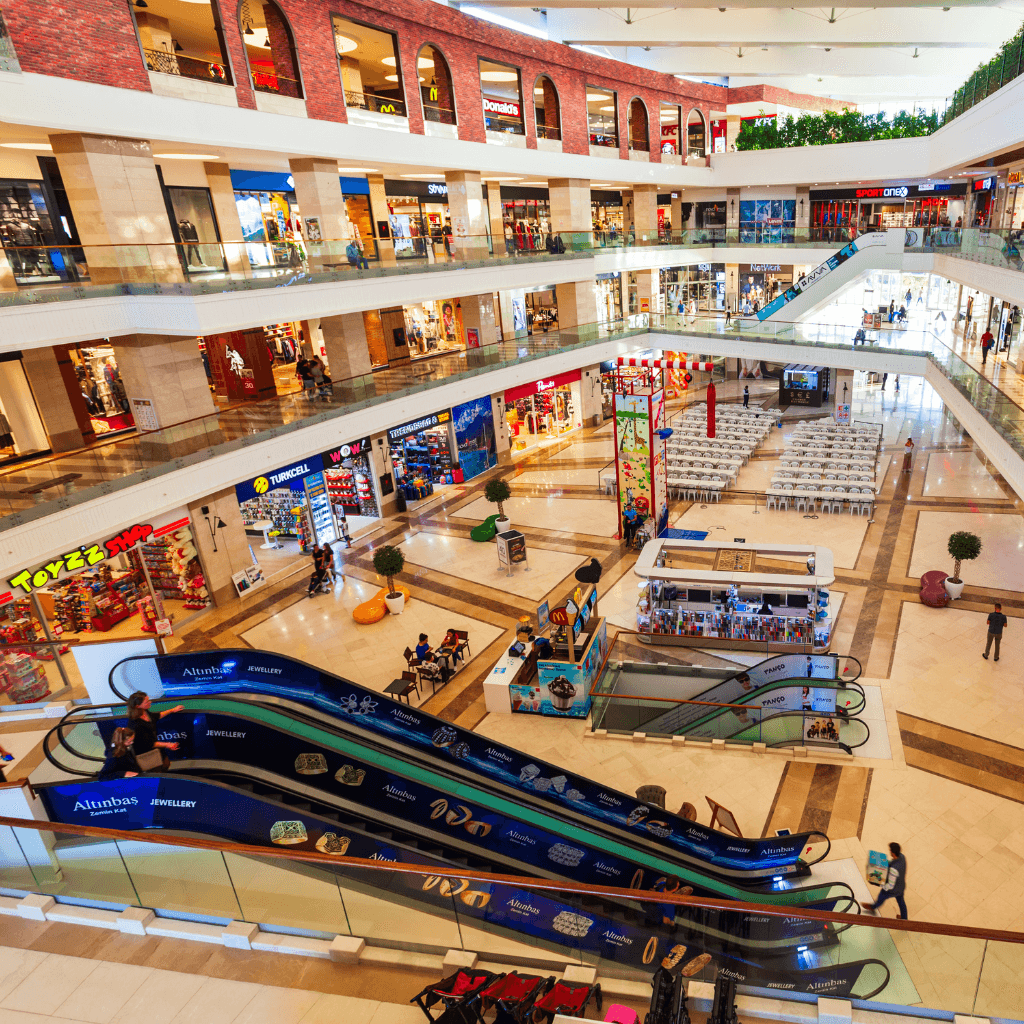
360-degree cameras can monitor high-traffic areas in shopping centres and retail outlets in real-time. The integration of advanced analytics is a welcome addition to customer behaviour tracking and heat mapping.
Financial losses are also prevented through extensive coverage of merchandise areas.
Hospitality Sector
Modern hospitality establishments also require sophisticated security infrastructure.
Monitoring of lobby areas and common spaces
Improved guest safety because of complete coverage of corridors and facilities
Integration with access control systems for restricted areas
Event space monitoring for large-scale functions
Advanced motion detection for after-hours security
Educational Institutions
The education sector implements 360-degree surveillance for:
Campus-wide enhancement of security
Monitoring of common areas, corridors, and gathering spaces
Integration with emergency response systems
Activity tracking in laboratories and specialised facilities
Perimeter security to improve student safety

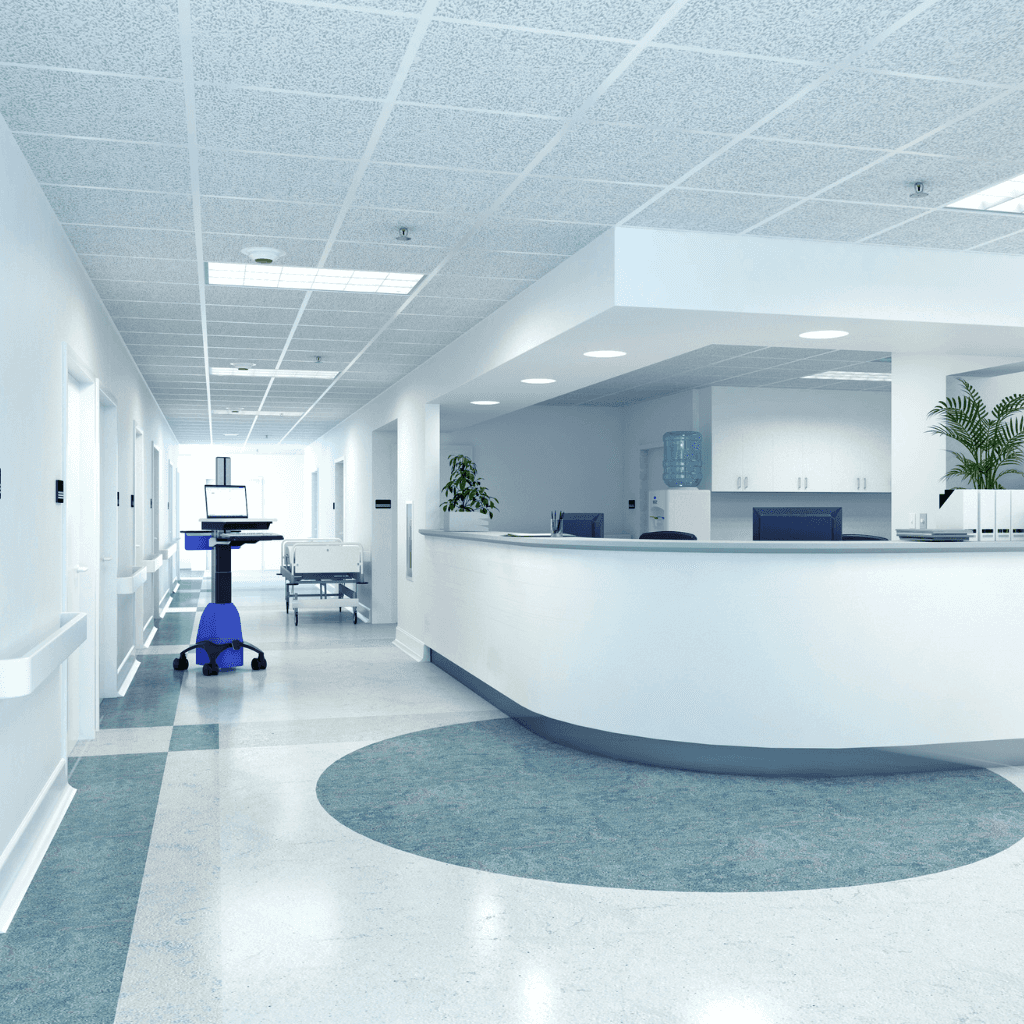
Healthcare Facilities
Healthcare facilities also benefit from specialised surveillance applications.
Patient monitoring in waiting areas and common spaces
Asset tracking for valuable medical equipment
Integration with access control for restricted areas
Comprehensive coverage of pharmacy and storage areas
Emergency response coordination through real-time monitoring

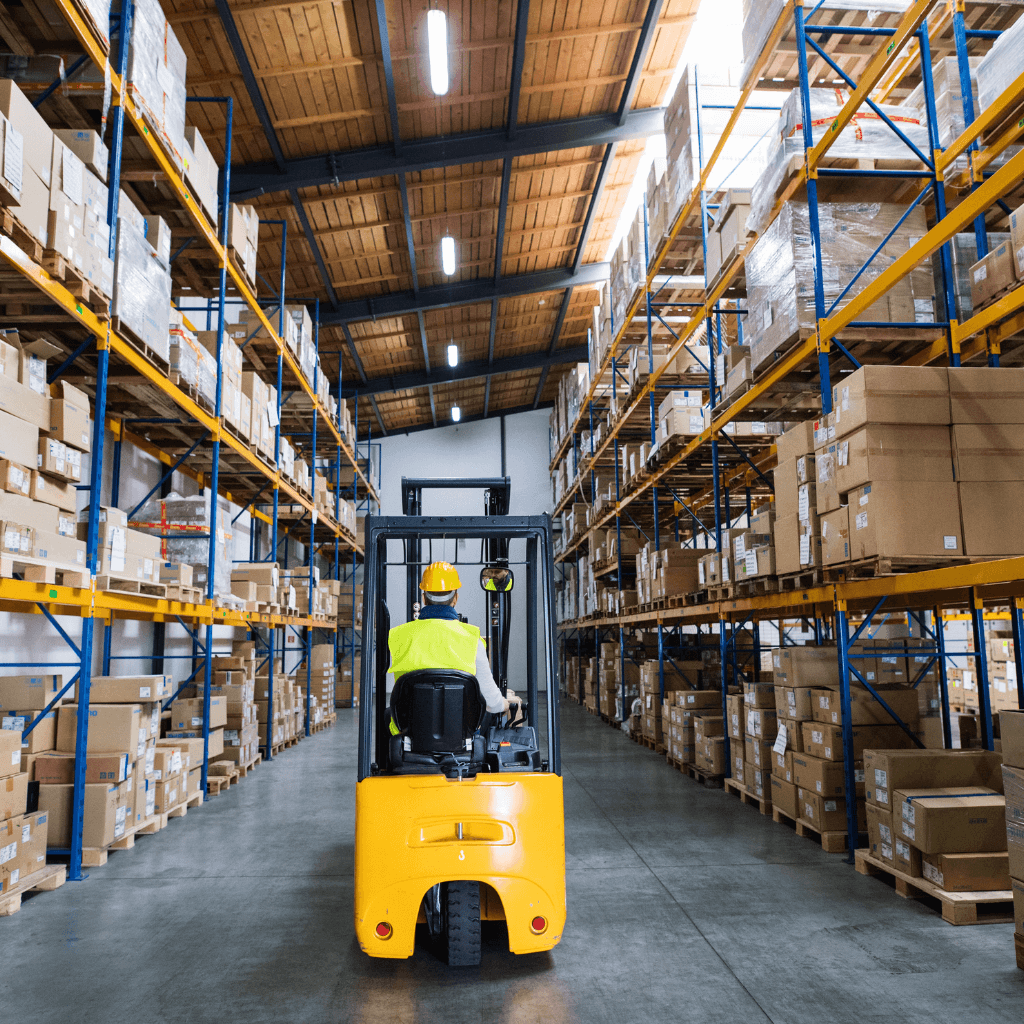
Manufacturing and Warehousing
Industrial environments leverage 360-degree technology for the following reasons.
Production line monitoring and quality control
Inventory management and asset tracking
Worker safety compliance monitoring
Loading dock surveillance and logistics coordination
Integration with automated systems to streamline processes
Financial Institutions
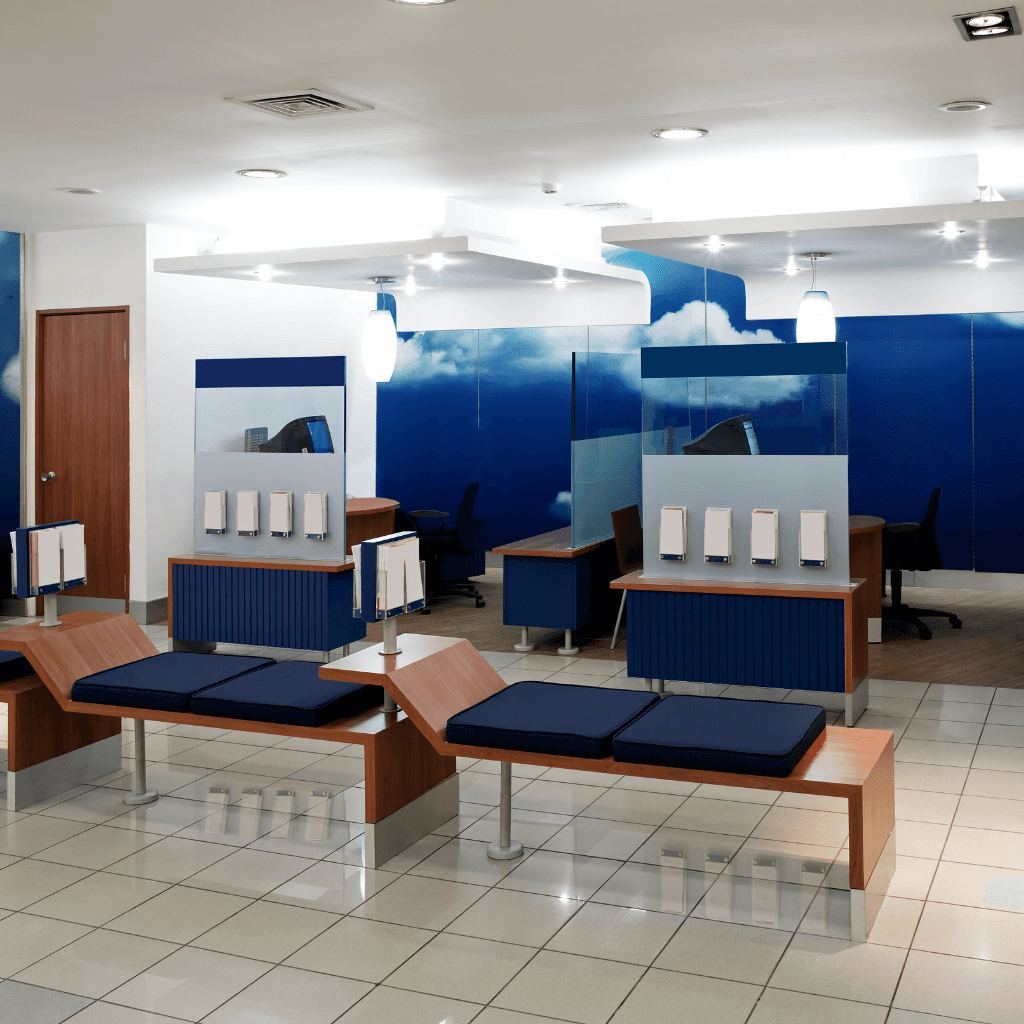
Banks and financial services require advanced security measures.
Complete coverage of transaction areas and ATM locations
Integration with facial recognition systems
Multiple viewing angles for fraud prevention
Extensive tracking of vault access and secure areas
Real-time surveillance of customer service areas
Every industry implements according to its respective technical considerations; for example, camera positioning, integration capabilities, compliance, and scalability. Even with their diverse requirements and nature, they all significantly benefit from the powerful capabilities of 360-degree security cameras.
Choosing the Right 360-degree Security Camera
When selecting what 360-degree camera is right for your business, you should carefully consider technical specifications that impact the effectiveness of surveillance.
Firstly, the resolution. It is a fundamental parameter that determines image quality and usable detail in captured footage. 360-degree cameras offer resolutions from 4K to 12K. Higher resolutions mean more details are preserved during dewarping and digital zoom operations.
However, it must be balanced against bandwidth requirements and storage constraints because higher-resolution streams demand substantially more network and storage resources.
Camera selection is also influenced by the environment in which you intend to employ these cameras. Indoor or outdoor installation?
If indoors, these cameras focus on optimal low-light performance and wide dynamic range (WDR) capabilities to handle varying light conditions across large spaces. Outdoor cameras, on the other hand, must withstand harsh and extreme temperatures so they can still function continuously under diverse weather conditions.
Another important thing to consider when deploying 360-degree cameras is storage architecture. Modern systems already offer various storage configurations like edge storage utilising internal SD cards to network-attached storage (NAS) solutions.
And if your industry needs its analytics capabilities, then 360-degree CCTV security cameras are a no-sweat choice for you. These incorporate advanced artificial intelligence and machine learning algorithms to perform complex tasks like object detection, behaviour analysis and movement pattern recognition across the entire field of view.
Conclusion
As surveillance technology continues to advance, organisations should be adaptable in their security strategies, and one way to do this is by considering the capabilities of 360-degree security and whether they are right for one’s business.
If you are looking for guidance on how to optimise your security infrastructure and/or the best security cameras for business, you’ve come to the right place. Contact us at D-Ron today to schedule your free consultation.