CCTV & Cameras
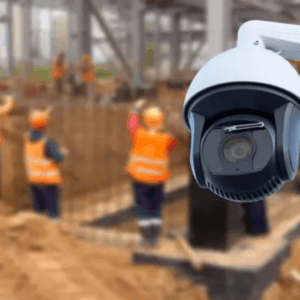
Workplace safety is an important aspect of successful project delivery. Many construction site managers see the benefits of wireless CCTV cameras in the construction industry. This is because modern construction projects present safety challenges that require outside-the-box thinking and solutions. Wireless CCTV systems are proven to prevent accidents and they ensure that safety protocols are implemented properly on-site.
Security Challenges at Construction Sites
The first two challenges faced by construction site managers are equipment and material theft. Because of the increasing costs of construction materials and specialised equipment, you may suffer substantial financial losses and project delays during incidents of theft. Construction sites have vulnerable points due to their temporary nature. Opportunistic thieves can exploit them and may penetrate the area during non-working hours when staff are not expected to be around.
Unauthorised access is another issue. A person may enter the premises but there are areas where they are allowed to poke their noses to. Examples of unauthorised visitors are curious onlookers and individuals with malicious intent. And since construction sites are usually found near residential properties and commercial areas, we cannot deny the possibility of trespassing. That’s why this industry needs proper monitoring systems for managers to be able to distinguish between authorised personnel and intruders.
Singapore’s Workplace Safety and Health Act Guide is a requirement put in place for employers to prioritise the safety of workers and prevent accidents and injuries that are caused by malfunctioning/unsafe machinery and equipment. Thus, it’s a must that you comply with and ensure workplace safety. This is a challenge because no management can monitor their employees all the time and check if they are following safety protocols like wearing personal protective equipment and maintaining emergency pathways.
Extreme conditions such as heavy rainfall, high humidity and intense heat also make the construction site unsafe for the people working there. A working monitoring system is needed to detect and respond to these environmental hazards.
Another challenge that can be solved by wireless CCTV cameras is tracking the progress of projects and also oversight. Construction managers need to monitor different aspects of ongoing projects (e.g., delivery of materials, ensuring work quality, and milestone completion). It’s challenging without the assistance of technology.
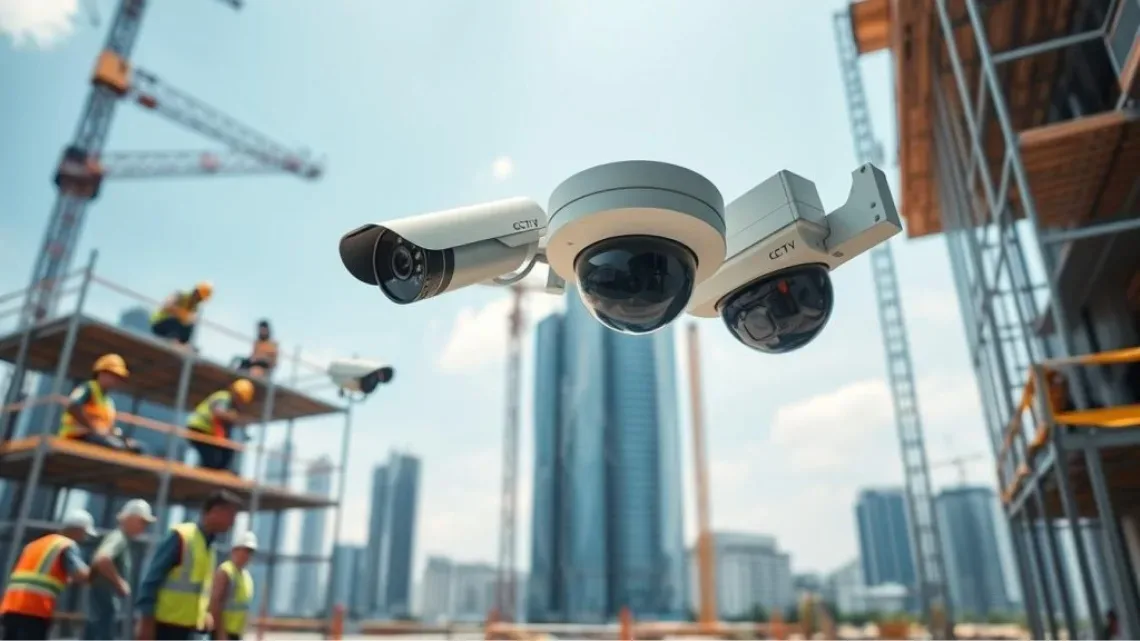
Benefits of Wireless CCTV Cameras for Construction Sites
One can overstate the benefits of wireless CCTV cameras, especially when we compare them side-by-side with conventional surveillance cameras. But what exactly are the advantages you would get from having these modern cameras on your site?
Monitoring in Real Time
This is perhaps the most obvious and most significant advantage. Site managers can observe activities across the entire construction area from a single location or even remotely using mobile devices. They have the capability to eliminate blind spots which is the weakness of traditional surveillance. You can maintain constant awareness of site activities, thereby helping prevent accidents and security breaches before they happen.
Flexibility of Wireless Installation
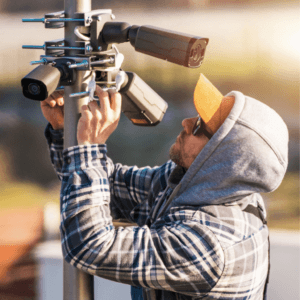
Traditional wired systems require extensive cabling. However, with wireless CCTV cameras, you can deploy and reposition them as construction progresses.
And since construction phases change more frequently, this adaptability is a welcome and valuable addition to security. You can also relocate cameras without the logistical challenges and costs of rewiring.
Proactive Security You Can Get
Most wireless CCTV cameras are now equipped with AI-powered analytics so we are not dulled by passive video feeds in front of us. They can detect suspicious activities like unauthorised entry after work hours, workers loitering in places they are not allowed to, and unsafe work practices. You can also customise the analytics to recognise some risk factors like the use of PPE.
The system can alert security personnel and site managers when questionable activities are observed from the cameras.
Visibility in Challenging Conditions
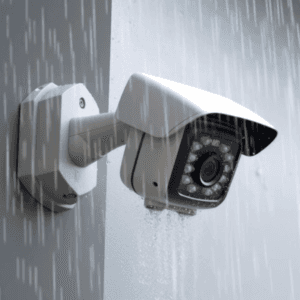
Advanced wireless cameras are equipped with weather-resistant housings, night vision, and HD imaging. This only means that you get crystal clear footage even with heavy downpours or during the midday sun. You can still identify awaiting hazards and security threats that might otherwise remain undetected until someone is endangered or something is damaged/stolen.
Convenience + Responsiveness
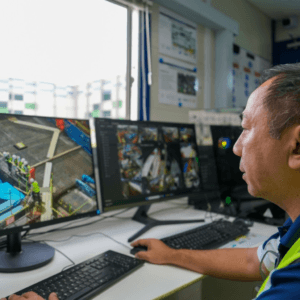
Supervisors and personnel can see the live feeds and recorded footage from anywhere using work phones and web portals. For example, you are managing multiple projects across the island. Having CCTV cameras in place makes the oversight process more efficient. You don’t need to be present physically at each site.
When there is an incident and you were not there when it happened, you can assess the situation, looking at the video feed, and coordinate your response.

Documentation is Comprehensive
Wireless CCTV cameras can record continuously. So in instances of unfortunate incidents or disputes, you have hard evidence during investigations. Let’s take this as an example, one of your employees got in an accident during work hours.
You can immediately refer to the CCTV footage and see what transpired during the accident. Was it a lack of safety gear? Neglect on the part of management? Or something else? Only the video recording can tell the truth. You may also use video footage as a training tool to check if there are areas for improvement regarding safety and security.
Easy Connection with Other Systems
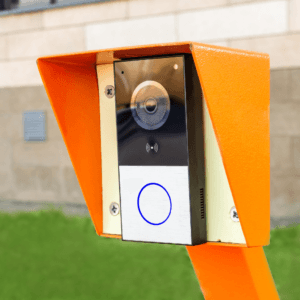
The effectiveness of wireless CCTV cameras is amplified because they can be integrated with other security systems like access control systems, alarm mechanisms, and project management platforms. And we can do it seamlessly.
Not only that management processes streamlined, but you’ll also have a unified security and safety ecosystem that significantly improves site protection.
Essential Features to Look For
Now that you have read about the benefits of wireless CCTV cameras, you may already have an idea of the features to look for when purchasing your very own surveillance cameras. Let’s list them for you!
Weather Resistance and Durability
Look for cameras that have high Ingress Protection or IP ratings. Ideally, get IP66 or higher. Ask your provider if they can withstand temperatures over 32°C and if the performance is not affected by extreme conditions.
If housing materials are offered, these should resist corrosion from prolonged exposure to moisture and salt in coastal construction areas.
Image Quality and Visibility Features
Your cameras should have the following features in terms of image quality and visibility.
HD resolution (at least 1080p and have 4K options for critical areas)
Wide dynamic range (WDR) tech for bright daylight and shadowed areas
Infrared or low-light capabilities for clear nighttime surveillance
Wide-angle lenses (fewer cameras = wider coverage)
Advanced Analytics
There are many analytics features that you can ask about. Motion detection, line crossing detection, and object recognition are some of these features. The security solutions provider of your choice will discuss all the features their cameras have. So don’t hesitate to voice your concerns, such as your unique security needs.
Power and Connectivity
The user can also maximise its wireless functionality if these CCTV cameras have reliable power supply and network solutions.
Solar power options?
Battery backup systems?
Cellular connectivity?
Mesh network capabilities?
Don’t forget to consider bandwidth management. The system should have enough capacity to avoid network congestion.
Mobile Accessibility and User Interface
The practical value of any system largely depends on how easily it can be used. Your experience with its mobile app should be intuitive and easy.
Is the view real-time on your smartphones and tablets?
Is the camera control and adjustment simple?
Can the alert settings and notifications be customised?
Storage and Backup Options
The first thing to do is to consider how footage will be stored, for how long, and how easily it can be retrieved. Cloud storage is an option if you want flexibility and remote access. Edge storage (recording directly to SD cards in cameras) is the way to go for storage redundancy.
Scalability and Integration
Only choose systems that can easily scale with additional cameras and integrate with other technologies such as:
Access control systems
Time attendance systems
Project management platforms
Conclusion
Wireless CCTV cameras bring more than just basic security. They are a responsive, adaptable solution to some of the challenges you face in the construction industry. Achieve a safe workplace today! Contact us for non-obligatory discussions.