CCTV & Cameras
The shift from analog to IP cameras in public surveillance is an important trend that businesses need to understand. IP security cameras come with many benefits over analog cameras and they are also easier to install. Plus, they can save you money in the long run.
However, businesses must also consider the ethical and privacy issues using IP cameras for surveillance. There are laws and regulations that ensure the fair and responsible use of this technology. So, it’s important to follow them and be transparent about how the cameras are being used.
Learning this shift is one way to stay on top of things and meet the challenges of modern security in public surveillance.
Why CCTV Became Widespread
CCTV was invented primarily for security and monitoring purposes. There are three key reasons for its development and widespread adoption. These include:
Providing evidence - As CCTV technology evolved with the introduction of VCRs in the 1970s, it became possible to record footage that could be used as evidence to solve crimes. This made CCTV much more popular among businesses.
Deterring crime - Many governments have installed CCTV cameras in public spaces to deter would-be criminals. The presence of visible cameras is intended to discourage criminal activity.
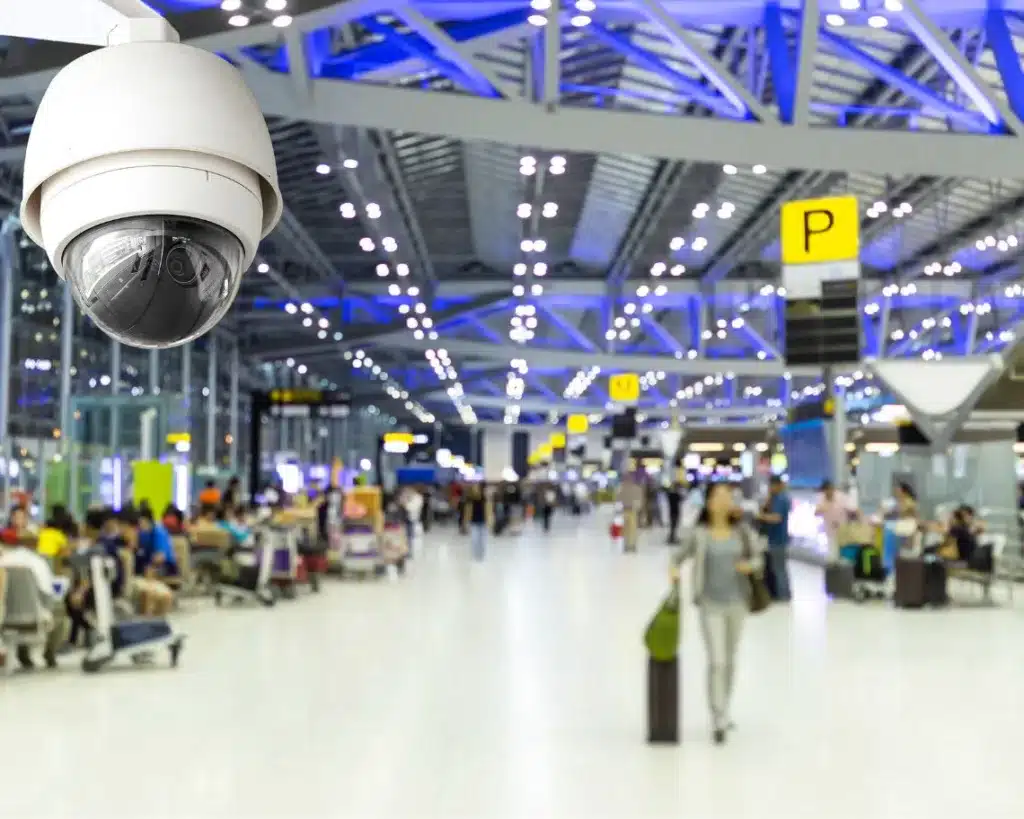
Monitoring public spaces - CCTV systems allow authorities to monitor activity in crowded public areas like train stations, sporting venues, and city streets. This is justified as a necessity for public safety.
Since then, their use has expanded globally, driven by advancements in technology, increased security concerns, and the perceived benefits for public safety and security.
Differentiating Between Analog and IP Security Cameras
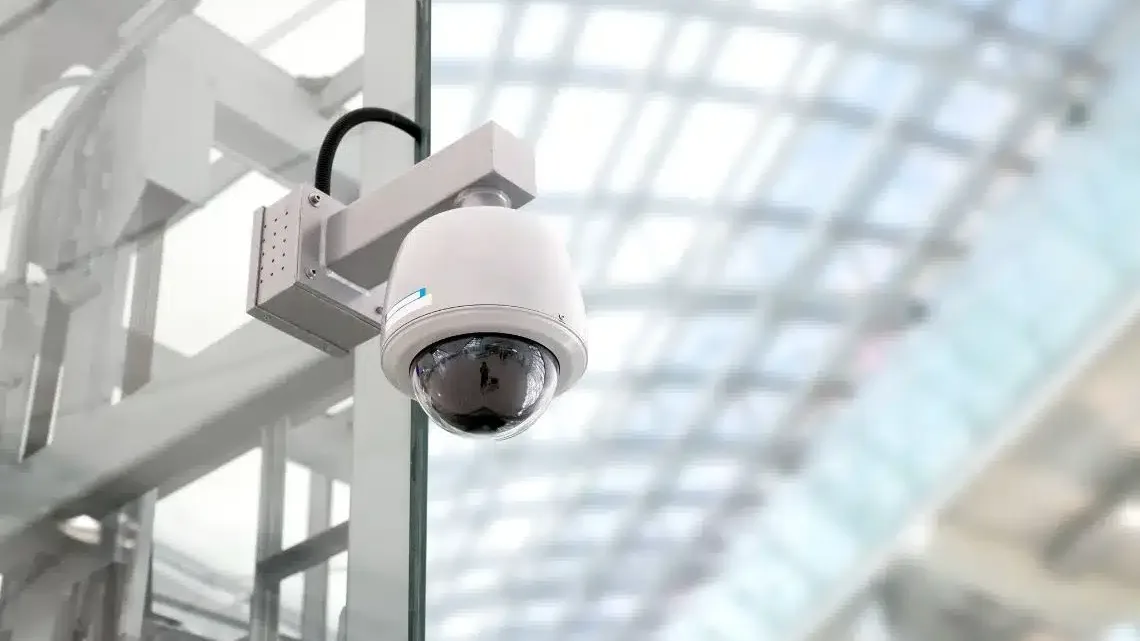
Before we discuss how the industry shifted from analog to IP cameras, you should first understand their differences, including their pros and cons in monitoring and securing an area.
Analog Cameras | IP Cameras | |
Technology | Analog cameras utilise traditional image sensors that convert light into continuous analog signals. These signals are transmitted via coaxial cables to a Digital Video Recorder (DVR) where they are converted back into digital format for storage and viewing. | IP cameras are digital devices that capture images and convert them into digital data right within the camera itself. This data is then transmitted over an Ethernet or Wi-Fi network to a Network Video Recorder (NVR) or other storage devices. |
Pros |
|
|
Cons |
|
|
How and Why the Industry Shifted from Analog to IP Cameras
The transition has been gradual but steady. Initially, IP cameras were more expensive and required specialised knowledge for installation and configuration. But as technology advanced, IP cameras became more affordable and user-friendly, aside from the fact that they offer better image quality, advanced features, and the capability to transmit data over networks. So more establishments widely adopted these cameras.
What further accelerated the shift towards IP cameras are the rise of high-speed internet and the increasing demand for remote access to live video feeds and stored footage. They have been significant drivers in the transition because of their flexibility and accessibility offerings compared to analog systems.
Today, IP cameras have become the dominant technology in the surveillance market, with analog cameras being relegated to niche applications or legacy systems. The industry continues to evolve, and new features and capabilities are regularly added to IP cameras, making them the preferred choice for modern surveillance systems.
How Modern IP Cameras Apply to Every Industry
Government and Public Sector
IP cameras with advanced analytics can monitor traffic flow, detect accidents, and even identify license plates. This information can help optimise traffic light timings, reduce congestion, and help with incident response.
High-resolution IP cameras are also crucial for managing crowds at public events, transport hubs, and government buildings. They help identify potential bottlenecks, track crowd density, and assist with efficient crowd dispersal.
IP cameras in parks, public squares, and other common areas serve as a visible deterrent and help with incident response. Advanced features like facial recognition and object detection support law enforcement efforts.
Transportation and Logistics
IP cameras within warehouses and logistics centres monitor the movement of goods. Meaning, they enable real-time tracking and prevent loss or theft.
Cameras installed on buses, delivery vehicles, and other fleet assets ensure driver safety, optimise routes, and monitor passenger behaviour.
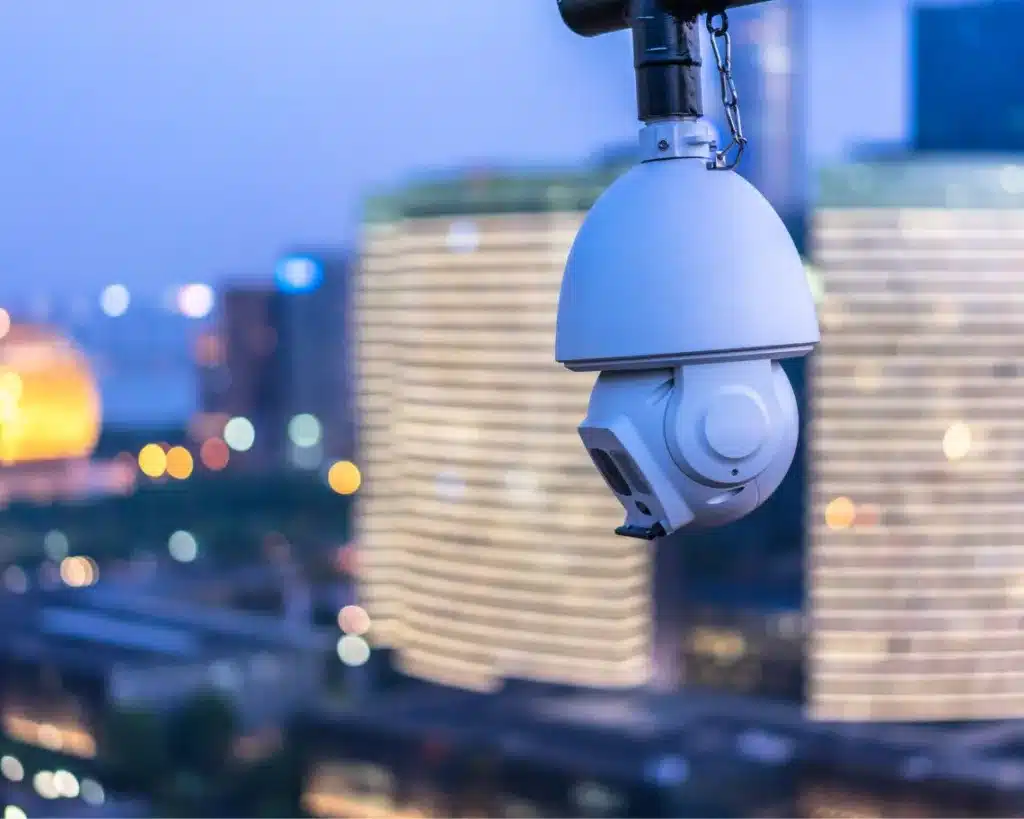
Port facilities and logistical hubs rely on IP cameras for perimeter security. Advanced analytics can detect intrusion attempts and alert staff to potential breaches.
Retail and Hospitality
IP cameras can collect data on customer movement, dwell times, and popular product displays. Retailers and hospitality providers use this information to optimise the layouts of stores and marketing strategies.
Preventing shoplifting and internal theft is a continuing challenge. IP cameras, particularly with analytics and object recognition, assist with real-time monitoring and retrospective investigation.
Cameras can monitor customer queues, wait times, and overall store flow. This data empowers management to improve staffing levels and streamline customer service.
Healthcare
In patient rooms, hallways, and common areas, IP cameras enhance monitoring capabilities. Staff can remotely check on patients and receive alerts for potential incidents or falls.
Pharmacies and medication storage areas utilise IP cameras as a security measure. Footage can also be used to track inventory and ensure compliance.
IP cameras make secure video consultations possible between doctors and patients, improving accessibility to care, especially in underserved areas.
Education
IP cameras in larger classrooms or lecture halls can help with supervision. Recordings can also serve as a resource for educational purposes.
Across campus grounds, IP cameras act as a deterrent and assist with swift incident response. This fosters a secure learning environment.
Modern IP cameras can integrate with smart access control systems, managing entry into specific campus areas and logging entry/exit information.
Manufacturing and Industrial
IP cameras provide real-time visibility into production processes. This helps identify bottlenecks, improve efficiency, and detect potential equipment issues.
High-resolution cameras enable detailed quality inspections, helping to ensure product consistency and minimise errors.
IP cameras monitor hazardous areas or processes. Automated alerts can notify workers and supervisors of potential dangers.
Financial Services
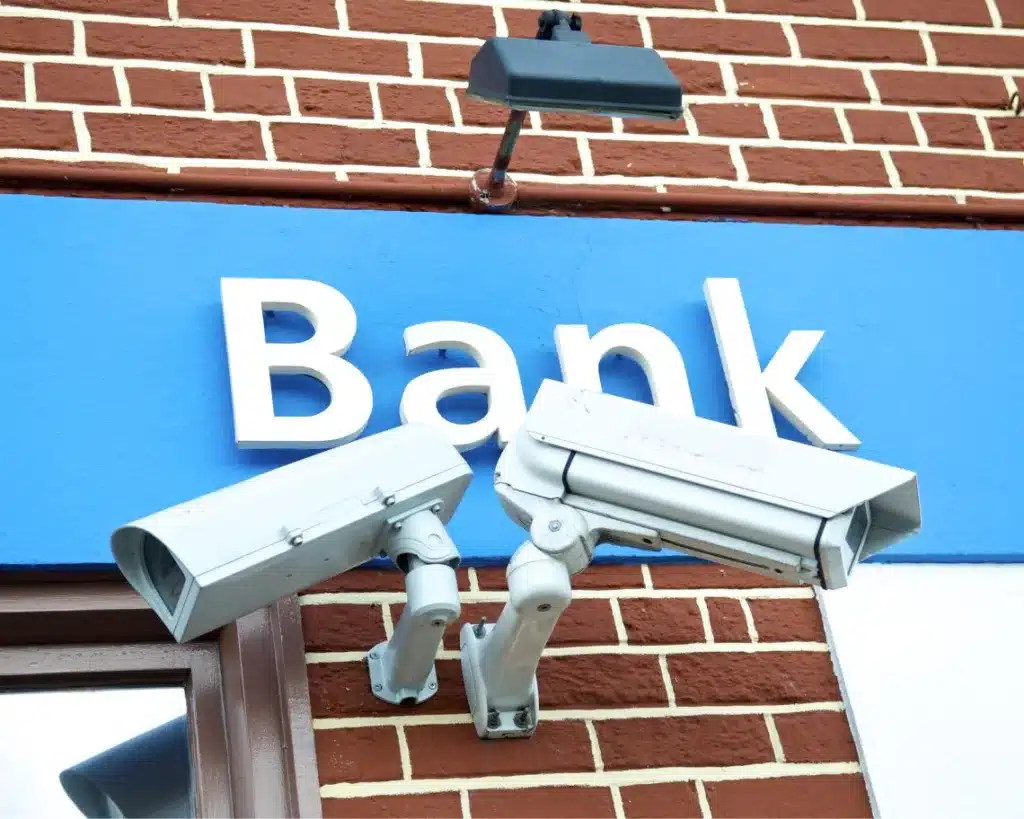
IP cameras are a core component of financial institution security and help deter crime. They also provide investigative tools in the event of an incident.
IP cameras can be tightly integrated with access control systems to restrict entry to sensitive areas like vaults and data centres.
Regulations often require financial institutions to maintain video records for specific time periods. IP cameras help fulfill these mandates.
The Future of Surveillance Cameras
Singapore is already one of the most surveilled cities globally, and this trend is likely to intensify in the future. Here’s a breakdown of what to expect, along with considerations for privacy and effectiveness.
Singapore’s government plans to have over 200,000 surveillance cameras deployed by 2030. These will cover more public spaces and penetrate deeper into residential areas and buildings. Expect advancements like facial recognition, behavioural analytics, and drone surveillance.
More capable systems will help in identifying individuals of interest more quickly
Cameras using AI to detect suspicious behaviour patterns and flag them for further investigation
Drones could supplement fixed cameras, particularly for event monitoring, traffic management, and harder-to-reach areas.
The increase in camera footage will be tied with big data analysis tools to help police predict and prevent crime, as well as solve cases more effectively. And public surveillance data will likely be used for traffic optimisation, crowd management, and potentially public health monitoring.
Security Surveillance Management’s Role
Security surveillance management will become even more critical in managing these complex, data-heavy systems. Its key focuses include centralised systems, data security and governance, AI integration, and personnel training.
Expect consolidated platforms for managing camera networks, data storage, and analytics.
Protecting the massive amounts of collected surveillance data will be paramount. Strict protocols for access, cybersecurity, and data retention will be needed.
AI-powered tools will assist in handling the deluge of footage and real-time data processing.
Security personnel must be continuously trained on advanced system usage and the ethical implications of surveillance.
Conclusion
Learning the shift from legacy systems to preferred modern surveillance solutions isn’t just about knowing the past. It also provides a foundation for businesses to make sound decisions about their surveillance setup based on past successes and failures, understand what modern technologies can offer, and plan for cost-effective and future-proof solutions tailored to your needs.
Looking for the best security cameras for your business? Let us guide you to the perfect surveillance solution. Contact us, and let’s start securing your business together.