CCTV & Cameras
The mid-year crime brief 2024 by the Singapore Police Force reported that overall property crimes, including shop theft, have continued to rise. There was a 9.6% increase in shop theft cases and a 1.7% increase in theft in dwelling (residence) in the first half of 2024 compared to the same period in 2023. This calls for the attention of property owners to be more vigilant and to increase the premises’ security. When it comes to choosing CCTVs, property owners and managers are usually torn between two popular options: dome camera vs bullet camera. Let’s explore these cameras and compare them side-by-side to know which kind you should get for your property/facility.
Understanding Dome Cameras
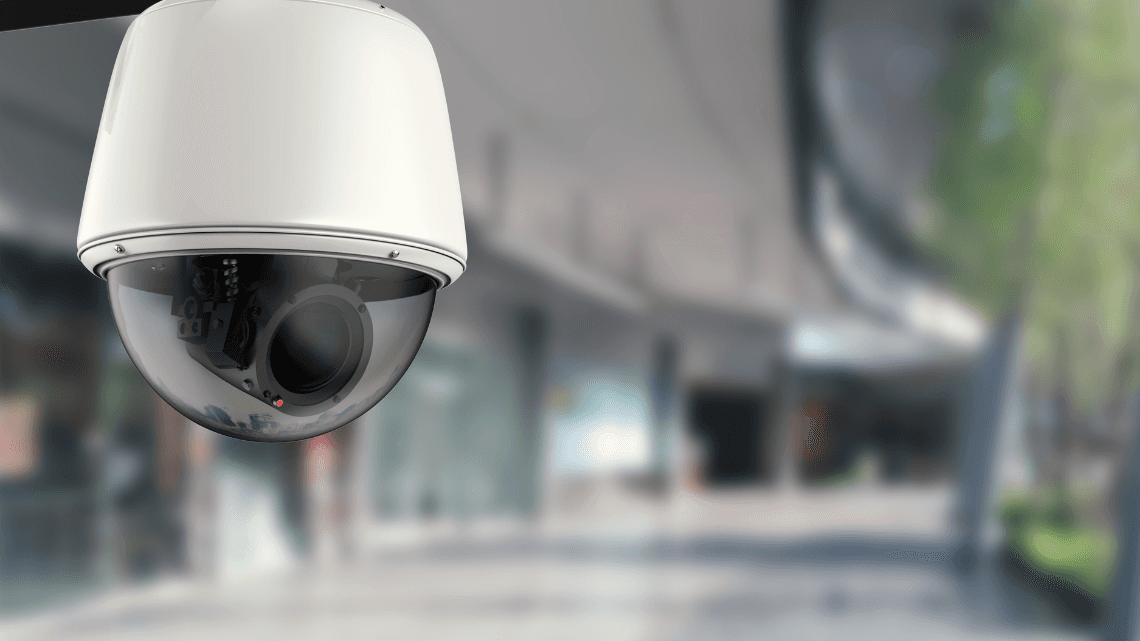
Dome cameras are named for their distinctive hemispherical shape. They are characterised by their compact design, where the camera and lens are encased within a dome-shaped housing.
Advantages
Wide-angle coverage The dome design allows for a broader field of view when compared to traditional linear cameras. For this reason, they are ideal for monitoring large areas with only a single unit.
Discreet nature This is another selling point of dome cameras. Unlike more conspicuous security devices, they blend seamlessly into different architectural styles. The unobtrusive design makes them less likely to detract from the carefully curated appearances of public and private spaces.
Durability Many dome cameras are designed to be vandal-resistant. The dome enclosure makes it difficult for potential wrongdoers to tamper with the camera or alter its field of view.
Typical Use Cases
In indoor spaces, they are commonly seen in shopping malls, MRT stations, and office lobbies. Their ability to provide wide coverage without being overly noticeable makes them ideal for these public areas where security needs to be balanced with customer comfort.
Outdoors, dome cameras are often the go-to choice for areas where aesthetic concerns are paramount. You’ll find them monitoring the entrances of high-end condominiums, surveilling the perimeters of schools, or keeping watch over the maintained gardens of hotels and resorts.
Challenges in Certain Situations
The curved dome can sometimes create glare or reflection issues, especially when positioned near bright light sources. In addition, once installed, adjusting the camera’s angle or focus can be more complicated compared to other camera types. Thus, it may require professional assistance.
Understanding Bullet Cameras
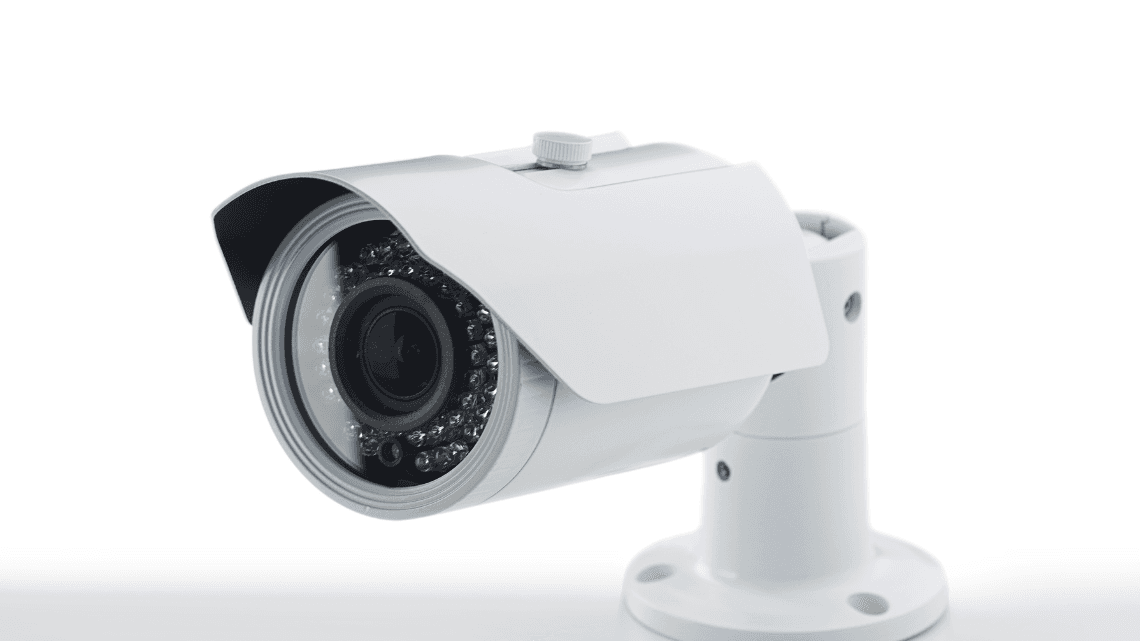
Bullet cameras have this distinctive cylindrical shape resembling a bullet shell. They are characterised by their long, tubular body housing the lens and image sensor, often topped with a small lip to reduce glare and provide some protection against the elements.
Advantages
Long-range Vision In sprawling industrial estates, they can effectively monitor large outdoor areas by capturing clear images of activities happening at considerable distances.This long-range capability is also valuable in residential contexts. With this, homeowners in landed properties can survey the full extent of their compounds.
Powerful Deterrent Their prominent profile sends a clear message that an area is under surveillance and discourages would-be offenders.
Straightforward Installation & Adjustment Bullet cameras can be easily mounted and their viewing angles adjusted without much fuss. This ease of installation can translate to cost savings.
Typical Use Cases
In residential areas, they are often seen monitoring the perimeters of condominiums and landed properties. They are ideal for surveilling lengthy HDB corridors or watching over void decks from a distance.
In commercial and industrial sectors, bullet cameras are frequently employed to monitor warehouses, manufacturing facilities, and loading bays, where their ability to capture detail over distance is particularly valuable.
It also lends itself well to the climate in Singapore. Many models come with built-in housing that protects against rain and humidity, withstanding the frequent downpours and high moisture levels.
Some advanced models even include features like heaters to prevent the lens from fogging and ensure clear footage regardless of weather conditions. However, its prominent design may not always be suitable for all contexts.
For instance, the conspicuous nature of bullet cameras might be seen as intrusive or aesthetically displeasing in areas like high-end retail environments and certain public spaces.
Comparative Analysis
Let’s compare these two (dome cameras vs. bullet cameras) types and take a look at several factors that come into play when you’re choosing between them.
Design and Aesthetics
As mentioned earlier, dome cameras blend seamlessly and are suitable for locations with sleek interiors and carefully designed facades.
Bullet cameras, on the other hand, with their more pronounced presence, are more fitting in spaces like industrial areas where visible security measures are welcomed.
Installation and Maintenance
Bullet cameras generally have the upper hand in the fast-paced construction industry and when quick security upgrades are needed. Their straightforward mounting process makes them ideal for rapid deployment.
Dome cameras, though they’re not difficult to install, may require more careful positioning to achieve optimal coverage. But once they are installed, dome cameras are often easier to maintain. Their enclosed design protects them against dust and moisture.
Performance
Both types offer weather-resistant models, but dome cameras often have an edge in aspects such as high humidity and frequent rainfall. They are less prone to water ingress during monsoon seasons.
Both camera types can be equipped with infrared capabilities for low-light performance (for example, in poorly lit industrial zones). However, bullet cameras often perform better in extreme low-light conditions due to their capacity to house larger and more powerful IR illuminators.
Coverage and Field of View (FoV)
Dome cameras excel in providing wide-angle coverage, hence they are ideal for monitoring large indoor spaces like MRT stations or shopping mall atriums.
Bullet cameras are useful for surveilling extended areas like open car parks and the perimeters of industrial facilities. Their focused field of view makes it possible to capture details at a distance.
Deterrence Effect
As mentioned, bullet cameras have a visible and recognisable shape. So they serve as a clear warning to potential offenders.
Dome cameras are less conspicuous, but they still serve as effective deterrents, especially when they are paired with signage indicating the presence of CCTVs.
Choosing the Right Camera for Specific Scenarios
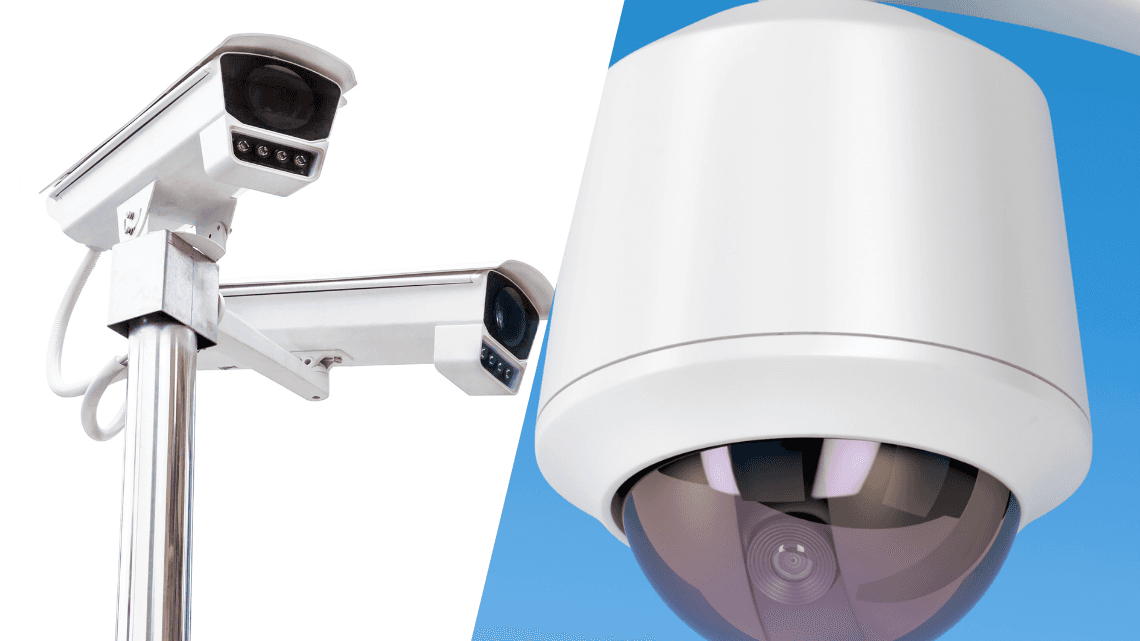
Learn about the most suitable choices for various property types.
Residential Properties
Condos - benefit from a combination of both.
Dome cameras for enclosed spaces like gyms, function rooms, and lobby areas.
Bullet cameras for perimeter security and monitoring larger outdoor areas such as swimming pools or tennis courts.
Landed Properties - often require a more comprehensive approach.
Bullet cameras are excellent for monitoring the property perimeter and driveway.
Dome cameras can be used to provide closer coverage of entry points like doors and gates.
Commercial Spaces
Retail Outlets
Dome cameras are usually the go-to choice.
For larger stores, you can place bullet cameras if you want to monitor specific high-value areas or long aisles.
Office Buildings
Dome cameras are ideal for reception areas, corridors, and open-plan office spaces.
Bullet cameras can be used for exterior monitoring, parking lots, and loading docks.
Shopping Centres
Dome cameras work well for general area surveillance in atriums, food courts, and individual store entrances.
Bullet cameras are useful for monitoring long corridors, parking structures, and exterior perimeters.
Public Areas
Void Decks and Common Corridors
Both can be used.
Bullet cameras might be considered for exceptionally long corridors.
Parks and Recreational Spaces
Dome cameras can be used near facilities like restrooms or playgrounds.
Bullet cameras are beneficial for monitoring broader landscapes, jogging paths, or distant corners of the park.
Industrial Zones
Warehouses
Ideally monitored with bullet cameras.
Dome cameras can complement this setup near loading docks or office areas within the warehouse.
Manufacturing Facilities
Bullet cameras are excellent for monitoring production lines and large machinery from a distance.
Dome cameras are useful in areas requiring wider coverage, such as packaging zones and employee break rooms.
Legal and Ethical Considerations
Surveillance, simply put, is the observation and monitoring of individuals. In our modern society, where actions are increasingly observable, recorded, and traceable, close surveillance through cameras is far more intrusive than in the past. The Personal Data Protection Act (PDPA) serves as the primary legislation governing the collection and use of personal data, including video footage.
A typical argument used to justify surveillance is: “If you haven’t done anything wrong, you have nothing to fear.” However, this fails to consider the potential for abuse by trusted insiders, the danger of “function creep” where data is used for purposes beyond its original intent, and the risk of creating precedents that lead to expanded surveillance in the future.
When implementing surveillance systems, organisations must consider several ethical questions:
Does the technique cause unwarranted harm?
Does it cross personal boundaries without permission?
Are individuals aware of and consenting to data collection?
Is there an appropriate balance between the importance of the goal and the cost of the means?
Ultimately, while surveillance can be ethical, there must exist reasonable, publicly accessible records and accountability for those approving and performing the surveillance. Organisations should regularly review their practices to ensure they remain necessary, proportionate, and respectful of individual privacy while complying with legal requirements.
Cost Considerations
Implementing surveillance systems involves a complex calculus of expenses. You must balance initial outlays against long-term benefits. When evaluating the cost of dome and bullet cameras, one must look beyond the mere price tag of the hardware.
Initial costs encompass not only the cameras themselves but also the supporting infrastructures, such as mounting hardware, cabling, and recording devices.
Dome cameras usually require less conspicuous (and thus less expensive) mounting solutions. Bullet cameras, which are sometimes pricier upfront, may offer cost advantages in some scenarios due to their longer range. The number of units needed for coverage is potentially reduced in this case.
The durability of dome cameras, particularly in vandal-resistant models, translates to lower replacement costs over time. Conversely, bullet cameras’ exposed lenses may necessitate more frequent cleaning or replacement. Both camera types demand ongoing costs for maintenance, software updates, and potential integration with evolving security technologies.
Conclusion
The choice between dome and bullet cameras is a decision that impacts the efficacy of your entire security infrastructure. The right choice depends on your specific environment, security needs, and legal considerations.
Contact D-Ron today to implement the best security camera system for your property. Partner with us for a surveillance solution that works as hard as you do.