CCTV & Cameras
Well-planned surveillance strategies are imperative because of Singapore’s unique characteristics. Due to its dense population, security systems must be carefully planned to be able to get the best coverage possible in challenging settings. The city-state also has a strong legal framework protecting data privacy, so there should be a balance between addressing the security needs of your premises and complying with regulations.
In addition, like everywhere else, Singapore businesses have to work within a budget. Commercial surveillance systems must still serve their purpose even with budgetary constraints. Because the country is an international business centre, businesses must also consider diverse security threats and risks. Proactive surveillance strategies should design systems that offer a high level of protection commensurate with the risks faced.
Assess Your Surveillance Needs
A thorough needs assessment is the foundation of an effective commercial surveillance system in Singapore.
Area Coverage
Precisely map out the areas your business requires surveillance for. Having this detailed plan saves you from unnecessary expenses on redundant cameras and makes sure that there are no missed spots.
Resolutions Requirements
Determine the level of image detail you need for every area. High-traffic zones might need higher-resolution IP cameras for clear identification, while lower-risk areas could potentially use more cost-effective analogue security cameras.
Threat Assessment
Evaluate the security threats that your company faces–whether theft, intrusion, or property damage). Your surveillance system will be guided by this analysis, making sure features like motion detection, night vision, and even video analytics are added to address these risks.
Choosing the Right Technology
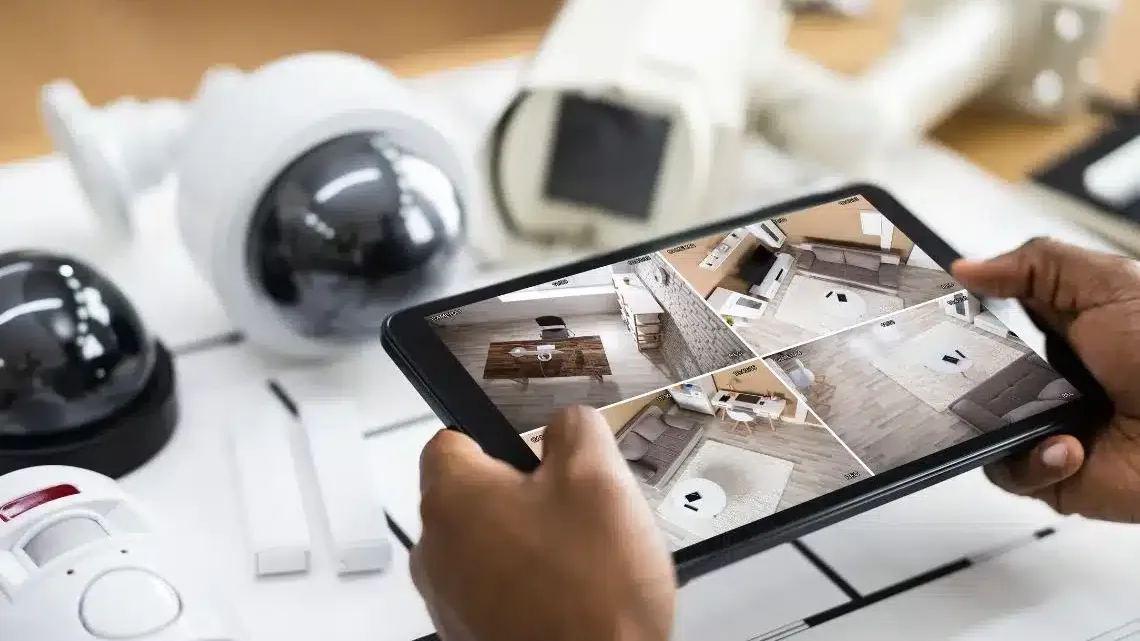
After a thorough needs assessment, you must select the most suitable technology to maximise the cost and performance of your commercial surveillance systems. The main points are broken down as follows:
Network Video Recorders (NVRs) vs. Digital Video Recorders (DVRs)
NVRs are ideal for modern video surveillance systems using IP cameras. They provide better picture quality, remote access capabilities, and easier scalability in case of expansion in the future. DVRs are more traditional tech often paired with analogue security cameras. Although they are less expensive upfront, they have less remote access functionality and lower picture quality.
Types of Security Cameras
IP cameras are the preferred choice for modern commercial surveillance systems because of their high-resolution video, digital recording capabilities, and ease of installation thanks to their Power over Ethernet (PoE) compatibility. Analogue security cameras are a more affordable option. Along with the cost, they have lower video quality and need separate power cables. PTZ cameras (Pan-Tilt-Zoom) are your best option when your business has large areas that need active surveillance. PTZ cameras let users zoom in for a closer view and change the camera’s orientation remotely. Night vision cameras are crucial for maintaining the efficacy of monitoring in dimly lit areas. In situations where there is total darkness, you may want to opt for thermal imaging cameras.
Cloud Storage
Cloud storage takes centre stage by offering an excellent alternative to traditional on-premises storage using Network Video Recorder (NVR) systems. You don’t have to make expensive hardware upgrades. Maintenance is easy and you can have remote access to footage regardless of your location.
Video Management System
A video management system (VMS) is another crucial component in choosing the right surveillance technology. One trusted provider of VMS software is Milestone, whose XProtect platform offers numerous advantages.
Integration - As an open platform, XProtect allows you to connect and centralise all your security system’s cameras, sensors, and IoT devices. It enables integration with the latest video analytics and AI technologies.
Scalability - XProtect can be scaled to meet evolving needs or to expand to new sites as your organisation grows.
Cybersecurity - Designed with cybersecurity in mind, XProtect helps companies comply with increasingly strict privacy legislation.
Flexibility - Milestone offers both XProtect VMS and Milestone KiteTM, a video surveillance as a service (VSaaS) solution. Their experts can help determine which option will bring the most value based on your installation and priorities.
A VMS like Milestone’s XProtect provides a powerful and scalable platform for managing your surveillance system. it simplifies monitoring, can handle a large number of cameras, offers advanced features like video analytics, enables remote access to footage, and can integrate with other security systems. These capabilities are essential for choosing the right surveillance technology, especially for complex and large-scale deployments.
Invest in High-Quality Equipment
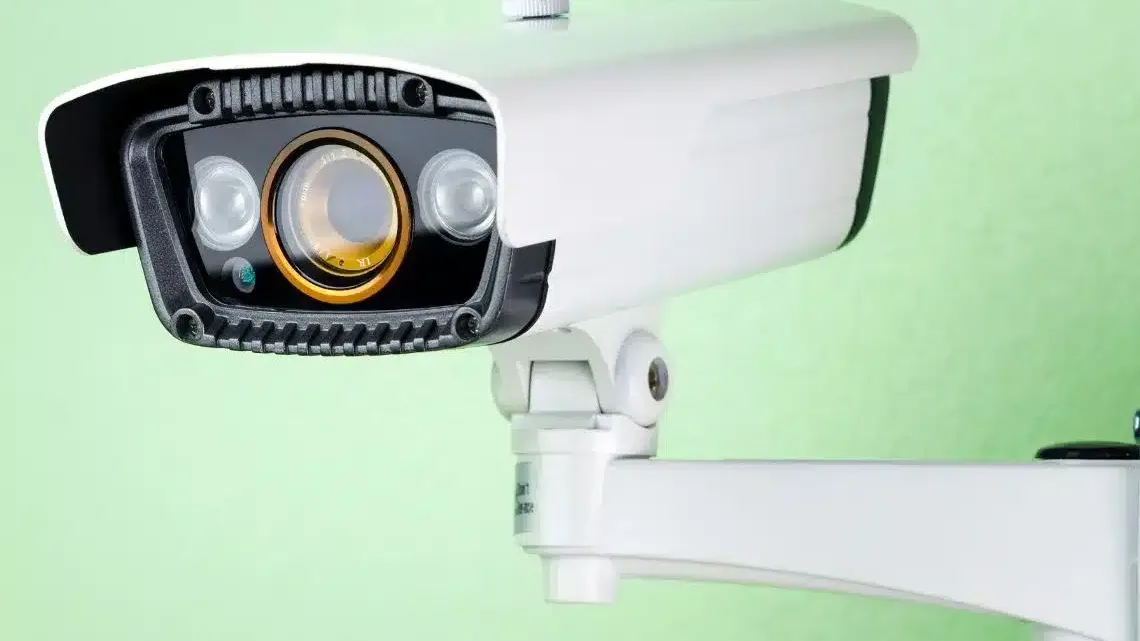
Going for a high-quality commercial surveillance system is definitely a wise investment. Don’t get enticed by the low cost as the components may probably be subpar and it might incur problems in the long run. Here’s why choosing reliable and durable equipment is a MUST.
Important of Reliable, Durable Cameras and Components
High-quality cameras equate to having consistent image quality. There is a reduced risk of getting blurry or unusable footage during a critical moment. Securing durable equipment implies that your security system can withstand Singapore’s climate and potential tampering attempts.
False Economy of Low-Cost, Substandard Equipment
Cameras or components that are cheaply made are prone to frequent breakdowns and malfunctions. The more frequent these downtimes are. The higher the cost and the risks to your business’s security.
Vandal-resistant and Weather-proof Housing
Your surveillance system must be resilient, particularly in a busy environment like Singapore. Procure cameras with vandal-resistant casings to prevent intentional damage and weatherproof construction for outdoor setups.
Warranty and After-Sales Support
Trusted manufacturers and vendors offer warranties and excellent after-sales support for commercial surveillance systems. This implies that you can have timely repairs, lower downtime, and ongoing peace of mind for your security investment.
Optimise Camera Placement and Configuration
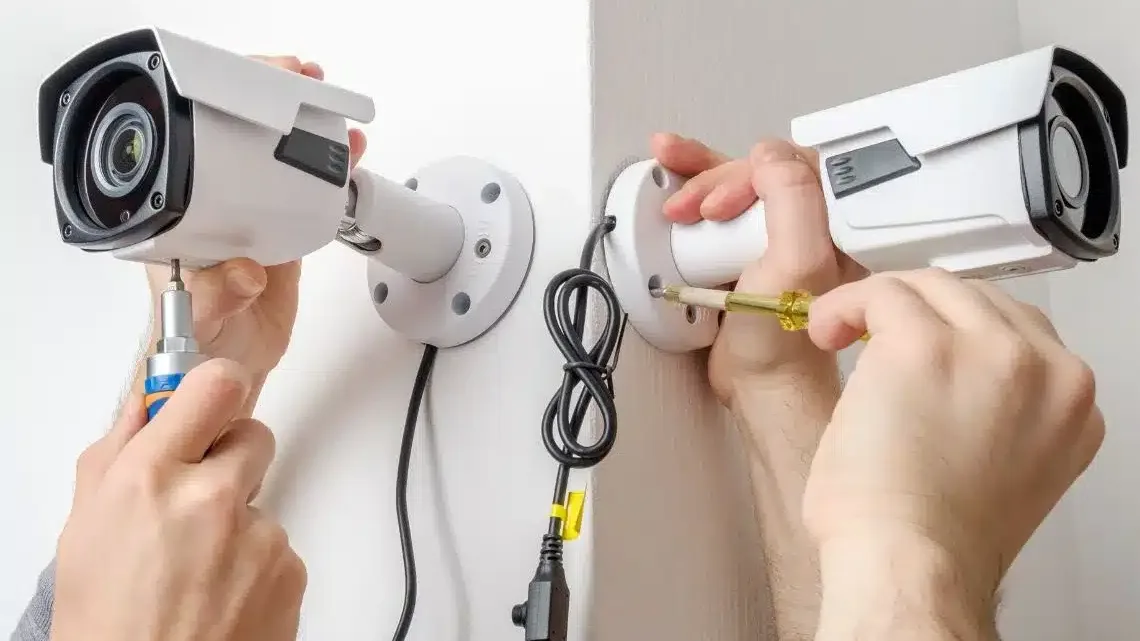
Do this to further maximise the effectiveness of your commercial surveillance system. To optimise placement and configuration, here’s what you need to do.
Map out your surveillance needs systematically to avoid blind spots.
Place them to overlook entrances, exits, high-value asset zones, and areas where you think there’d be potential security breaches.
Double-check the camera angles to see if the coverage is right.
Adjust field-of-view settings.
Consider installing additional lighting if you deem that the existing light is not enough for quality image capture.
Integrate video analytics software into your surveillance system for real-time awareness and response.
Doing all these tips makes sure that your system delivers the maximum security value.
Implement Robust Network Infrastructure
A high-performance network infrastructure is the backbone of any effective commercial surveillance system. Insufficient capacity or lurking security vulnerabilities can render even the most advanced cameras useless.
Ensuring Sufficient Bandwidth and Storage
High-resolution cameras need a lot of bandwidth for seamless video feed transmission, particularly when operating many IP cameras at once. You must assess your network capabilities and upgrade your internet connection plan if needed.
Next is to consider NVRs with enough storage capacity. This is after you’ve taken into account your preferred resolution settings and recording retention time. If flexibility and reduced on-site hardware requirements are what you are after, it is best to explore cloud-based storage as an option.
Wired vs. Wireless Connectivity Considerations
Wired connections (Ethernet) are generally more reliable and secure for surveillance systems. When we compare them to wireless networks, they offer higher bandwidth and reduced interference. But if you need wireless connectivity for some of your cameras, use a dedicated wireless network. Its goal is to ensure that there is enough bandwidth by separating the surveillance traffic from general corporate network use.
Network Security Measures to Prevent Unauthorised Access
Surveillance systems are a prime target for hackers, so implement strong network security measures to secure your cameras and associated network hardware:
Use updated firewalls and intrusion prevention systems
Enforce strong passwords and change them regularly
Implement network segmentation to isolate surveillance network traffic
Encrypt video data during transmission and storage
Regular Maintenance and Updates
Just like any tech, your network infrastructure requires continuing attention. So, schedule regular maintenance checks to make sure that both performance and security are at their optimal level.
Also, firmware updates and security patches should be installed as soon as possible because they address critical vulnerabilities that hackers could exploit.
Ensure Compliance and Ethical Use
Singapore takes data protection and individual privacy seriously. It is imperative that your commercial surveillance system operates within the bounds of the law and respects ethical principles. Not sure how to ensure compliance? Here’s how!
Adhere to Singapore’s Data Protection and Privacy Laws
Familiarise yourself with the Personal Data Protection Act (PDPA) and any other relevant regulations that govern the use of surveillance in your industry.
Consult with legal experts in Singapore if needed.
Implementing Clear Usage Policies and Procedures
Develop internal policies on how surveillance footage is collected, used, stored, and shared.
These policies must clearly outline the real purposes of surveillance and limit its use to those specific objectives.
Balancing Security Needs with Individual Privacy Rights
Surveillance must have a responsible balance between security and privacy.
Design your system to be as minimally intrusive as possible, but make sure you still achieve your security goals.
Consider privacy-enhancing techs like masking tools or limited recording periods if they already fulfil your needs.
Reviewing and Updating Compliance Measures Regularly
Like every law and policy, laws and ethical practices around surveillance technologies evolve.
Review and update your policies and procedures regularly to be sure that your business is compliant with the latest regulations.
Stay informed about best practices in data protection.
Responsible and ethical surveillance practices not only protect your business from legal risks. They also foster trust with your employees, customers, and the wider community in Singapore.
Conclusion
Investing in a meticulously designed security camera system in Singapore can significantly boost your property's safety and deter theft and vandalism. Beyond just surveillance, these advanced systems also enhance operational efficiency and offer valuable insights through video analytics. Choose a reliable security solution to safeguard your assets effectively.