CCTV & Cameras
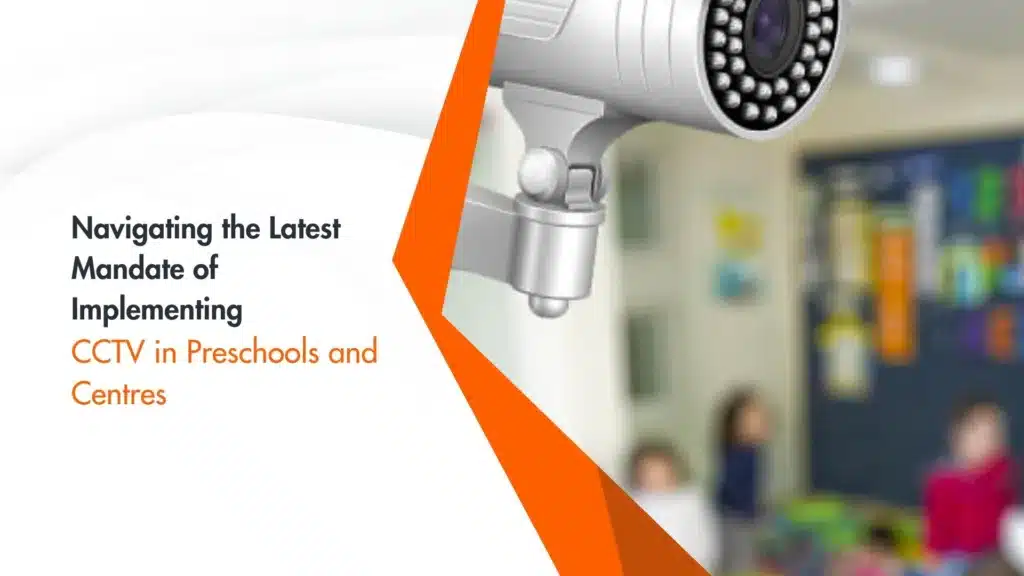
The safety and security of children in preschools is a top priority for parents, educators, and the government. In light of this, it was announced that all preschools and government-funded early intervention (EI) centres in Singapore must install closed-circuit television (CCTV) cameras by 1 July 2024.
This requirement aimed to make preschools safer for children. Installing CCTV cameras with smart features will help stop unauthorised people and provide a record of what happens if there’s a problem.
However, implementing a CCTV system can be a challenge, especially for preschool administrators who may not be familiar with the technology. That is why we made this guide to help you navigate this mandate and successfully implement a CCTV solution for your premises.
Understanding the Guidelines
The mandate is not a knee-jerk reaction to isolated cases, but it serves as a proactive measure to keep preschools and EI centres safer.
Under the guidelines, preschool CCTV cameras must be installed in areas where the children interact with teachers. Examples are the classrooms, activity rooms, play areas within the premises, and infant napping rooms. Where these security cameras will not be allowed are in toilets, changing rooms, and staff rest areas to protect the privacy of staff and children. This mandate acknowledges the importance of improving security and protecting individual privacy.
Parents will have access to CCTV footage for the purpose of clarifying feedback or if it helps in the investigation of serious incidents at the preschool. Requests to view footage must be reasonable, and preschools can refuse unreasonable requests. When access is allowed, there must be measures to protect the privacy and safety of other staff and children seen in the footage.
Although most preschools and all early intervention centres already have CCTV, the concerned agency sees the necessity of giving some preschools time to set everything up properly—creating rules for accessing preschool CCTV footage and installing/setting up the cameras correctly.
Benefits of Having CCTV with Video Analytics in Preschools
The mandatory CCTV installation is a big step in protecting our youngest learners. Preschools can take this a step further when they incorporate advanced video analytics capabilities.
CCTV cameras plus video analytics solutions make a powerful combo that can complement and amplify the advantages of traditional surveillance systems. These advanced capabilities align with the latest mandate’s objectives.
Enhanced Security and Threat Detection
Intrusion detection modules define high-risk zones and trigger alerts when suspicious people or activities are detected.
Facial recognition capabilities identify and flag blacklisted/non-authorised individuals.
Behaviour analysis spots potentially dangerous situations like children being left alone without an adult or when they are being handled roughly.
Better Monitoring and Incident Investigation
Advanced video analytics provides real-time alerts for various incidents.
Detailed reporting dashboards and data analysis tools help identify patterns and areas where safety can be improved.
Facial indexing and video search functions make it faster to find and review footage of incidents.
Operational Efficiency and Productivity Gains
Automated monitoring and alerts free up staff from constantly having to monitor the screens.
Insights from video analytics help make better decisions and use resources effectively.
Integration with existing systems like access control and alarms creates a more unified and efficient security setup.
The Requirements for Video Analytics and Surveillance Solutions
Preschools and EI centres must meet these requirements covering various aspects to qualify for the grant and comply with the requirements of the new mandate for CCTV surveillance.
Video Management Requirements
Enable on-site monitoring through IP-enabled video cameras
Manage and store video footage, handle large data volumes, provide real-time monitoring, and allow easy retrieval and analysis
Support encrypted communication (SSL or similar) between cameras and gateways
Provide basic video editing functions (trimming, audio editing, enhancement, timestamping, zooming)
Enable video search using filters like incident type, severity, and date
Video Analytics Capabilities
Intrusion/threat/loitering detection with automated alerts for defined high-risk zones
Facial recognition and indexing, including alerts for blacklisted individuals or unsupervised children
Reporting dashboards with charts, indicators, and cross-filtering for data analysis (safety breaches, threat detection, traffic insights)
Face masking feature to protect privacy when sharing footage with third parties
Additional Preferred Capabilities
Anti-tampering module to detect blocked views or out-of-focus cameras
Real-time alerts (email, SMS) for predefined events like falls, rough handling, and spills
Facial expression analysis to detect potential threats to children
Camera and Storage Requirements
High-quality cameras (minimum 1080p resolution, colour, 30 fps)
Wi-Fi capability (not limited to wired or mobile networks)
Preferably operable both indoors and outdoors, with backup battery support
Local and/or cloud storage options for at least 30 days of footage (12 hours per day)
Network Infrastructure and Security
Robust and secure network infrastructure for quick and secure video transmission/access
Encryption, firewalls, VPN, access controls, and authentication setup
Strict access controls (multi-factor authentication, role-based access)
Automated backup to separate locations (e.g., cloud backup)
Data Protection Compliance
Features for accessing individual video footage
Setting retention periods and flagging expired footage
Encryption of data in transit (e.g., TLS) and at rest (e.g., on servers)
Two-factor authentication (2FA)/multi-factor authentication (MFA) for data access
Vendor Support and Integration
Technical support and hardware installation services
Post-sales support (at least 8 hours x 5 weekdays on-site/teleconference, 24/7 email/contact form)
Preferred integration with preschools’ existing IT systems or management solutions
Implementing CCTV with Video Analytics
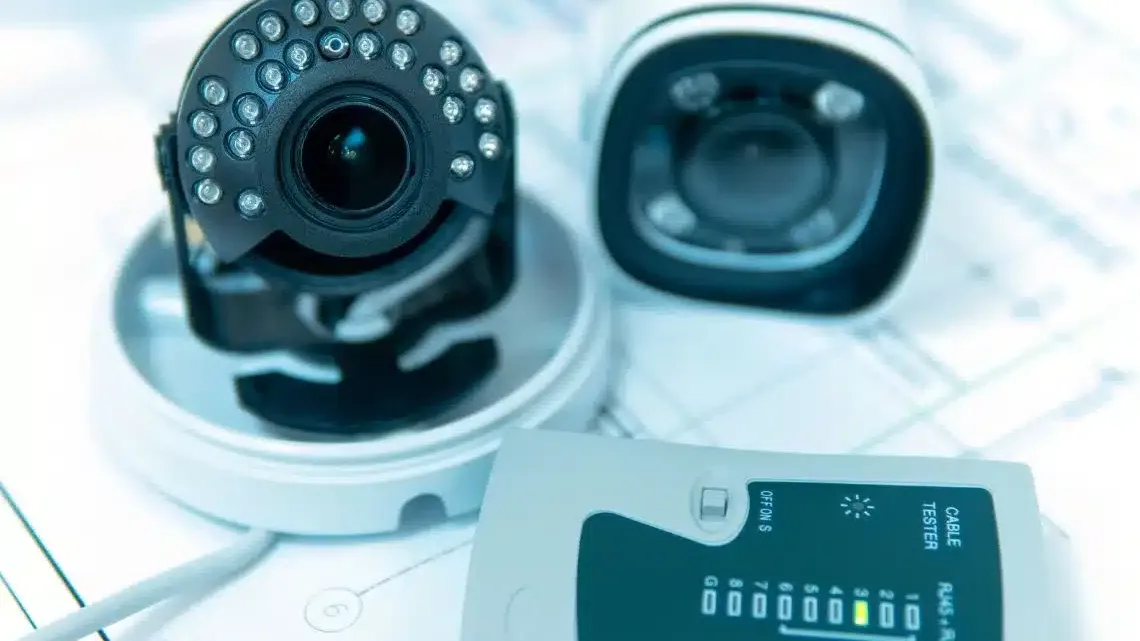
Integrating CCTV systems with advanced video analytics capabilities is a complex process that requires careful planning and execution. Preschools should follow a structured approach to ensure a successful implementation that meets the mandate and maximise the benefits of these cutting-edge technologies. Here is a step-by-step guide to help you navigate the process.
Assess your preschool’s layout and needs in detail.
Identify the areas that have high risks, potential blind spots/visibility gaps, and zones requiring vigilant supervision.
Consider factors like the number of classrooms, play areas, entrances, and outdoor spaces.
This will serve as your guide on how many cameras you will need, where they should be placed, and the specific video analytics features.
Establish clear rules and procedures for implementing your preschool CCTV system.
It should include guidelines for accessing footage, how long data is kept, and how privacy is protected.
Involve the stakeholders like the administrators, teachers, and parents in this process for transparency and so you can address any concerns they may have.
Clearly define who is responsible for managing the system and responding to incidents.
Now that you have a clear understanding of your preschool’s needs and the new requirements, carefully assess and choose the best CCTV and video analytics solution.
Consider the vendor’s experience, their technical capabilities, whether the system can grow with your needs, and the ongoing support they provide.
Prioritise solutions that integrate smoothly with your existing systems and those that can comply with regulations on data protection.
Collaborate closely with your chosen vendor to create an installation and setup plan.
This plan should outline the schedule, preparations needed at the site, any necessary upgrades to your network infrastructure, and staff training.
Make sure the installation process causes minimal disruption to daily activities and that it follows safety protocols.
Ensure that relevant staff members receive thorough training on how to properly use and manage the CCTV and video analytics systems.
Their trainings should cover topics like system operation, how to respond to incidents, procedures for accessing data, and the best practices for maintaining privacy and security.
As systems change or new staff members join, ongoing training and refresher sessions may be needed.
After the system is installed and set up, start a controlled launch to test how it works and monitor for any problems.
Keep an eye on how the system performs and then analyse data from the reports. If needed, make the necessary changes to improve its effectiveness.
Review and update your policies and procedures regularly, based on what you learn as you use the system.
Then, establish a robust maintenance and support plan.
Schedule regular updates for the system, software upgrades, and maintenance for the hardware to ensure it works well and stays secure.
Utilise the vendor’s support services, which may include on-site assistance, remote troubleshooting, and 24/7 emergency support.
Treat the implementation of the newly mandated CCTV and video analytics as a continuous process of improvement.
Also do a regular review of the incident reports, feedback from stakeholders like parents, and emerging best practices to identify areas where you can make the system better.
Work with your vendor to explore new technologies or features that can further augment your preschool’s safety and security measures.
Future-Proofing the Security of Your Promises
The security needs of preschools will evolve as technology keeps advancing. Implementing CCTV systems with video analytics is a vital step in improving safety and complying with the latest requirements. But if you want to fully prepare or equip your preschool for the future and achieve long-term security, it is wise to stay ahead of the curve and adopt new advancements in this field.
AI and machine learning are also reshaping the way we approach security. As these technologies continue to develop and become more accessible, preschools and EI centres that have already implemented advanced CCTV and video analytics solutions will be more prepared to incorporate capabilities in the future.
Staying Informed About Advancements in CCTV Technology
The security and surveillance industry is dynamic, meaning it’s always changing. New hardware, software, and integrations are being released regularly. Your premises’ security measures will remain effective and current when you are updated with these advancements.
You can attend industry events, webinars, and conferences to learn about the latest trends and innovations in CCTV technology. Connect with experts, vendors, and industry associations to gain insights into emerging best practices and regulatory updates.
By staying informed, you can proactively plan for upgrades or expansions to your existing CCTV and video analytics systems and take advantage of new features and capabilities.
Partner with D-Ron to Lead the Way in Preschool Security
Preschools and early intervention centres in Singapore must act quickly to implement advanced video analytics and surveillance solutions as the deadline for the CCTV mandate approaches. D-Ron specialises in providing tailored, end-to-end solutions that meet the latest requirements. We will see to it that the preschoolers have a safer learning environment. Contact us today to learn about our comprehensive and customisable CCTV solution.