Search Docs…
Transportation / Intelligent Transport Systems (ITS)
Transportation / Intelligent Transport Systems (ITS)
Industry Challenge
Modern transportation infrastructure depends on reliable, high-performance networking to support traffic management systems, surveillance cameras, environmental sensors, and emergency communications. Roadside cabinets, tunnels, highways, and urban intersections must transmit large volumes of data continuously to traffic control centers. Even a short interruption in connectivity can disrupt operations, affect traffic flow, or reduce visibility during critical incidents.
Unlike controlled IT environments such as office networks or data centers, transportation infrastructure networks operate in extremely challenging physical conditions. Network devices are often installed in roadside cabinets or tunnel control rooms where temperatures fluctuate dramatically, sometimes ranging from freezing cold to intense heat during summer months. Equipment is exposed to constant vibration from heavy vehicles, electromagnetic interference generated by nearby electrical systems, and power fluctuations caused by lightning strikes or switching equipment.
These environmental factors can quickly degrade standard commercial networking equipment. Conventional switches designed for indoor enterprise networks typically fail when exposed to high levels of heat, moisture, and electrical noise. In addition, transportation networks frequently span large geographic areas, requiring fiber connections that may run several kilometers between intersections or highway monitoring stations.
Transportation authorities also face operational challenges. Field technicians must often travel long distances to troubleshoot equipment failures in roadside cabinets or tunnels. When network devices fail unexpectedly, engineers may only discover the problem after surveillance cameras or sensors stop transmitting data. This reactive approach increases operational costs and creates unnecessary downtime.
As traffic systems become more intelligent and connected, the reliability requirements of network infrastructure continue to increase. Modern ITS deployments must support high-definition cameras, radar sensors, automated incident detection systems, and vehicle-to-infrastructure communication. These technologies demand more bandwidth, higher power delivery, and stronger cybersecurity protection than traditional networks.
Industrial networking infrastructure designed specifically for transportation environments is therefore essential. Equipment must be rugged enough to operate in harsh outdoor conditions while delivering the performance, redundancy, and security required for mission-critical infrastructure. Comnet industrial networking solutions are designed precisely for these demanding environments, providing resilient connectivity for transportation systems where failure is not an option
Typical Deployment Scenario
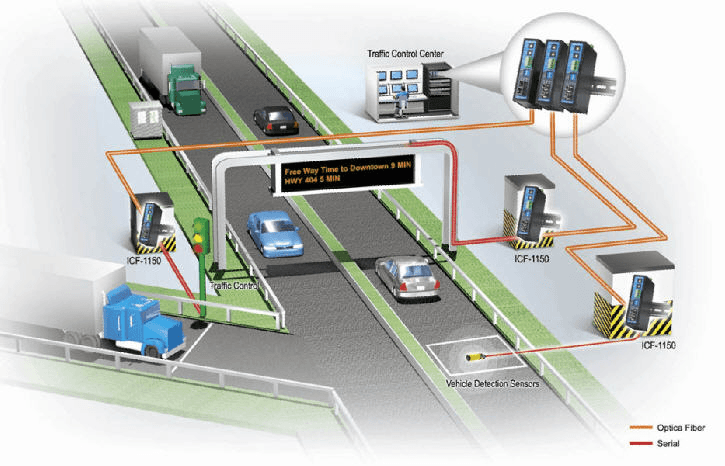
A typical intelligent transportation system deployment involves a network of connected devices distributed across highways, intersections, tunnels, and urban roadways. Each location typically contains a roadside cabinet that houses networking equipment, power systems, and communication devices.
Inside a traffic cabinet, multiple devices must connect to the network simultaneously. These devices often include high-definition traffic surveillance cameras, vehicle detection sensors, environmental monitoring systems, emergency call boxes, and traffic signal controllers. Many of these systems require Power over Ethernet (PoE) to simplify installation and reduce the need for separate electrical infrastructure.
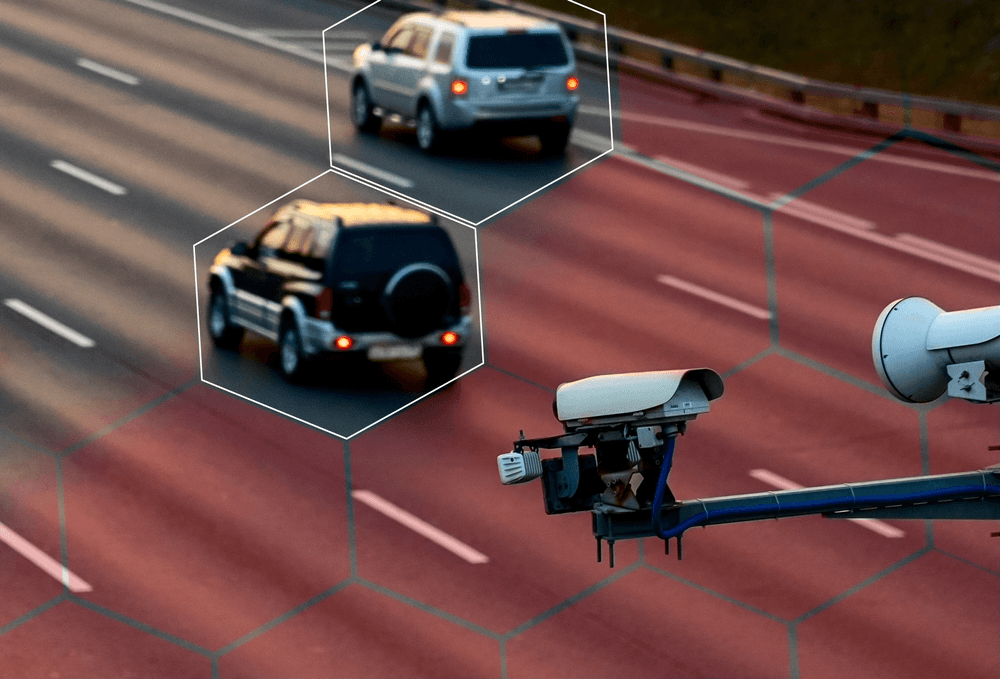
Traffic cameras capture real-time video of road conditions and transmit the footage to centralized traffic management centers. These cameras often include advanced capabilities such as pan-tilt-zoom functionality, license plate recognition, and AI-based traffic analysis. Such devices require reliable high-power PoE connections and high-bandwidth uplinks to transmit video streams continuously.
Vehicle detection systems installed in intersections or highway lanes collect data about traffic flow, vehicle speed, and congestion levels. This information is transmitted to traffic control software that dynamically adjusts traffic signals to optimize flow and reduce congestion. Environmental sensors may also monitor air quality, weather conditions, and road surface temperatures.
All these devices must communicate with centralized control centers through fiber optic connections that span large distances between infrastructure nodes. In many deployments, multiple roadside cabinets connect together to form a resilient ring network that ensures communication continues even if a fiber link is damaged.
Within the traffic management center, network operators monitor the entire system through centralized software dashboards. Operators can observe live video feeds, analyze traffic patterns, and respond quickly to incidents such as accidents or congestion.
Because transportation infrastructure is geographically distributed, maintaining these networks can be challenging. Technicians must minimize site visits and ensure rapid troubleshooting when problems occur. Network infrastructure must therefore support remote management, automated alerts, and redundancy protocols that prevent communication failures.
Comnet industrial Ethernet switches are frequently deployed in these environments because they are specifically engineered for roadside and tunnel applications. Many models are designed to fit directly into traffic signal cabinets and support the power and connectivity requirements of modern ITS deployments.